


 Language: English











Solutions
Horse Construction offers full range of structural strengthening materials with technical supports, documentation supports, products supports, project supports.
Carbon Fiber Reinforced Polymer(CFRP) Plate Reinforcement

What is Carbon Fiber Reinforced Polymer(CFRP) Plate Reinforcement?
Carbon fiber plate reinforcement is a widely utilized technique in the field of structural strengthening. Distinguished by its high strength, lightweight nature, corrosion resistance, and ease of installation, it is extensively applied in the reinforcement and renovation of concrete structures—including floor slabs, beams, walls, and bridges. Compared to traditional methods such as bonded steel plate reinforcement or section enlargement, carbon fiber plate reinforcement eliminates the need for extensive substrate chipping, features a shorter construction cycle, and does not increase the dead load of the building; consequently, it has become a mainstream solution for the renovation of aging structures, load capacity upgrades, and crack repair.
Key Considerations for Concrete Substrate Preparation
1. Substrate Strength Assessment
The strength of the concrete substrate to which carbon plates are to be bonded must not fall below grade C25. If the concrete exhibits sanding, looseness, or insufficient strength, carbon plates cannot be bonded directly; the substrate must first undergo strengthening and penetrating reinforcement treatments. Failure to do so carries a high risk of complete delamination.
2. Substrate Grinding and Cleaning
Prior to construction, the concrete surface must be ground down to remove laitance, oil stains, dust, peeling layers, and loose aggregates, thereby exposing a solid, level concrete substrate. Areas with severe oil contamination require cleaning with solvents to ensure the substrate is free of impurities and contaminants. Upon completion of grinding, a high-pressure blower should be used to remove dust, ensuring the substrate remains dry and clean.
3. Treatment of Cracks and Defects
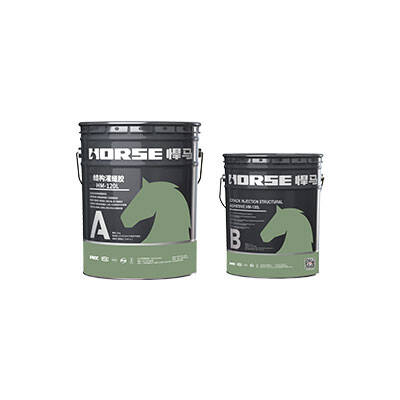
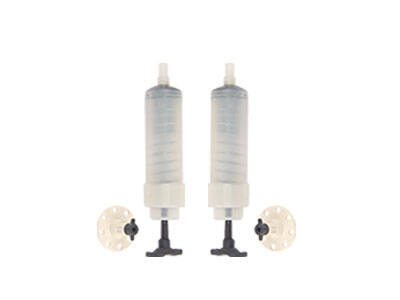
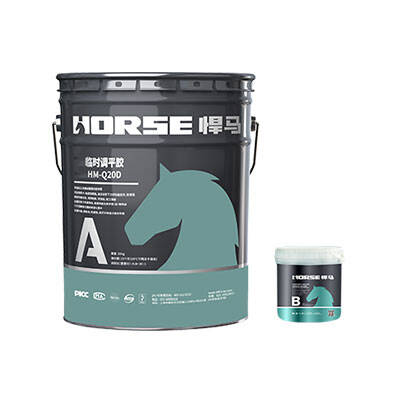
If structural cracks are present on the surfaces of beams or slabs, crack injection and sealing treatments must be performed first. Fine cracks should be sealed using a surface sealant, while cracks wider than 0.2 mm require injection with a low-pressure injection adhesive. Carbon plate bonding construction may proceed only after the crack repairs have cured and stabilized. Areas exhibiting surface honeycombing, pitting, or depressions should be repaired and leveled using a leveling adhesive.
4. Chamfering of Internal and External Corners
All right-angle internal and external corners of the concrete structure must be ground into rounded chamfers with a radius of no less than 20 mm. Right-angle locations are prone to stress concentration; bonding carbon plates directly to such corners can result in plate damage or cracking. This is a critical detail in the construction process that is frequently—yet erroneously—overlooked.

Bonding Construction Process and Key Considerations
1. Key Points for Primer Application
Upon completion of substrate preparation, apply the primer adhesive evenly. The adhesive layer must be of uniform thickness, free from missed spots, and without any sagging. The primary function of the primer is to penetrate the concrete substrate and enhance bonding strength. Proceed to the next stage only after the primer has become surface-dry and non-tacky to the touch; direct application over wet primer is strictly prohibited.
2. Requirements for Adhesive Application on Plates
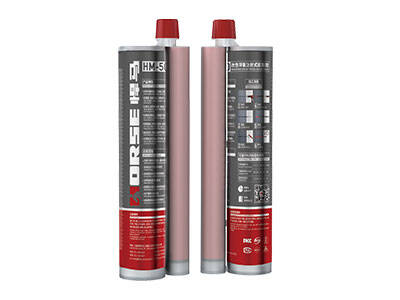
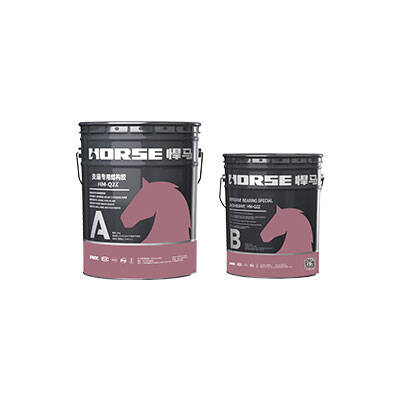
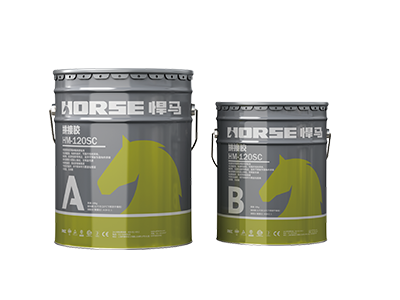
Apply the epoxy bonding adhesive evenly to the bonding surface of the carbon fiber plate. Carefully control the thickness of the adhesive layer to ensure full coverage, free from discontinuities or voids. Uneven adhesive application can easily lead to the formation of air bubbles and voids, thereby reducing the bonding load-bearing capacity.
3. Carbon Plate Bonding and Air Removal
Align and bond the carbon fiber plate with precision. Once bonded, use a specialized roller to repeatedly roll over the plate in a single direction to thoroughly expel any trapped air, ensuring intimate contact between the carbon plate and the concrete substrate. During the installation process, strictly avoid repeatedly shifting the carbon plate, as this can cause adhesive displacement and result in the formation of interlayer air bubbles.
4. Anchoring and Overlap Specifications
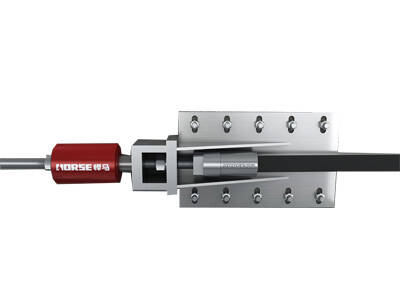
The overlap lengths and anchoring lengths for the carbon plates must be executed in strict accordance with the structural design drawings; arbitrary reduction of anchoring dimensions is strictly prohibited. For the reinforcement of beams and slabs with large spans, additional anchoring strips must be installed at the ends to prevent edge lifting or debonding under structural load. When arranging multiple carbon plates, strictly control the spacing between plates; arbitrary dense packing or misaligned installation is strictly prohibited.

Key Considerations for Construction Environment and Temperature Control
Carbon fiber reinforcement systems rely on an epoxy-based curing mechanism and therefore impose strict requirements on the construction environment. The ambient temperature during construction must be maintained within the range of 5°C to 35°C. If the temperature drops below 5°C, the epoxy curing process slows significantly; conversely, exposure to high temperatures or direct sunlight can lead to premature surface skinning of the adhesive and incomplete internal curing. Open-air construction is strictly prohibited during rainy, high-humidity, or windy and dusty weather conditions. Furthermore, the substrate surface must be free of water stains or standing water, as a humid environment will severely compromise the bonding strength.
Additionally, open flames and high-temperature heating are strictly forbidden at the construction site. Since structural epoxy adhesives are flammable materials, exposure to high temperatures not only poses a safety hazard but also degrades the mechanical properties of the adhesive.

Key Points for Curing, Maintenance, and Post-Reinforcement Protection
1. Curing Duration
Under normal ambient temperatures of 25°C, the curing period for carbon plate reinforcement must not be less than 7 days. During the curing period, impacts, vibrations, and foot traffic are prohibited; furthermore, applying structural loads prematurely is strictly forbidden to prevent adhesive failure—which could result in plate loosening or delamination—before the adhesive has fully cured. In low-temperature weather conditions, the curing period must be extended.
2. Surface Protection Treatment
Carbon fiber plates are susceptible to ultraviolet (UV) radiation and open flames; therefore, they must not be left exposed for prolonged periods after the reinforcement work is complete. A protective surface coating—such as fire-resistant mortar, an anti-corrosion layer, or decorative plaster—must be applied to the surface to prevent degradation caused by UV exposure and damage resulting from external impacts or abrasions.
3. Post-Reinforcement Usage Restrictions
For reinforced beam and slab components, drilling, grooving, or chiseling within the reinforced area is strictly prohibited. Such actions could compromise the load-bearing integrity of the carbon fiber system, thereby creating potential structural safety hazards.
Summary of Common Misconceptions in Carbon Fiber Plate Reinforcement
- Misconception 1: Applying the plate directly without grinding the substrate or removing dust; this makes it highly prone to delamination and adhesive failure later on.
- Misconception 2: Using substitute adhesives instead of the specified structural epoxy resin.
- Misconception 3: Failing to chamfer internal and external corners; applying plates directly over sharp right angles leads to plate fracture.
- Misconception 4: Applying adhesive unevenly or failing to properly expel air, resulting in significant internal air voids.
- Misconception 5: Applying structural loads before the curing period is complete, preventing the reinforcement from achieving the required design strength.
- Misconception 6: Selecting low-cost, non-standard carbon fiber plates; insufficient tensile strength creates significant safety hazards.

Acceptance Criteria Summary
Formal acceptance of carbon fiber plate reinforcement projects requires compliance with the following criteria: the positioning, spacing, and anchorage lengths of the carbon plates must strictly adhere to the specifications outlined in the design drawings; the surface must be free of voids, curling edges, and delamination; the adhesive layer must be uniform, fully filled, and free of visible air bubbles; and the protective layer on the substrate surface must remain intact, ensuring the structural stability of the reinforced element. The extent of voided areas must be strictly controlled; any sections exceeding permissible limits must be removed and re-bonded to guarantee that the quality of the reinforcement meets all required standards.
You can find anything here you are in need of, have a trust trying on these products, you will find the big difference after that.

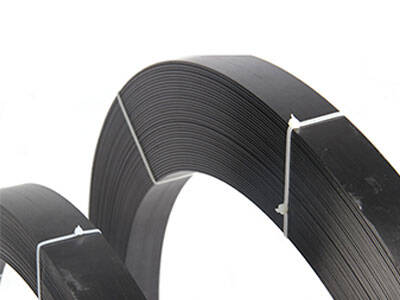
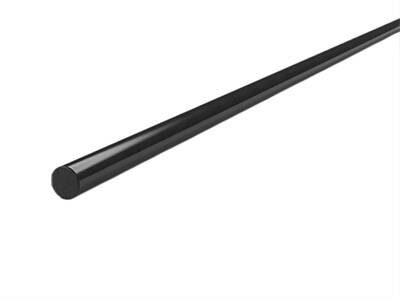
High strength carbon fiber reinforced polymer (CFRP) strip / laminate / plate for structural strengthening and concrete repair

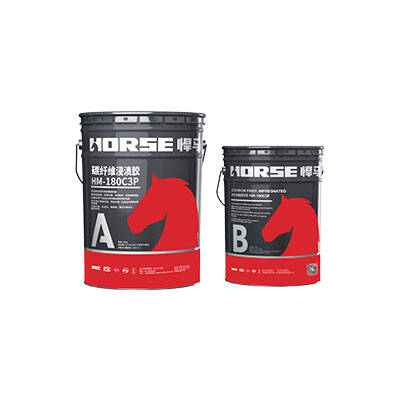
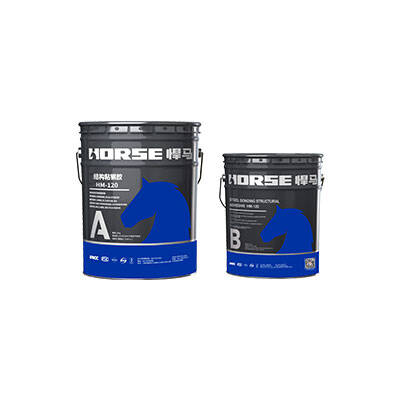
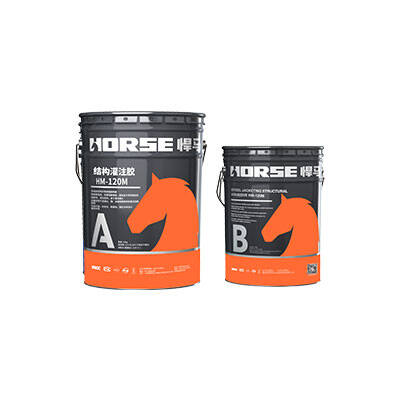
High strength carbon fiber reinforced polymer plate adhesive for applying CFRP laminate/strip/plate on the structural members

High strength carbon fiber reinforced polymer(CFRP) plate for structural strengthening and concrete repair
