


 Language: English











Solutions
Horse Construction offers full range of structural strengthening materials with technical supports, documentation supports, products supports, project supports.
Structural Rehabilitation and Load Upgrading of Parking Structures Using Carbon Fiber

Parking structures are among the most heavily stressed and environmentally exposed infrastructure assets in urban and commercial development. Unlike standard buildings or bridges, these facilities endure nonstop, repetitive dynamic loads, constant exposure to harsh corrosive agents, and evolving functional demands that far exceed the original design parameters of many older concrete parking garages.
Relentless Stressors Facing Parking Structures
- Repetitive Dynamic & Heavy Static Loads:This constant load cycle causes concrete cracking, weakens internal reinforcements, and reduces overall load-bearing capacity over time.
- Severe Corrosion Exposure: Parking structures are regularly exposed to deicing salts, road chemicals, moisture, humidity, and airborne pollutants, especially in cold climates and coastal regions. These agents penetrate concrete cracks and pores, corroding steel rebar and reinforcement plates; steel expansion causes concrete spalling, further compromising structural integrity. Corrosion is the leading cause of premature failure in steel-reinforced concrete parking garages, accounting for over 60% of structural damage globally.
- Freeze-Thaw Cycles & Environmental Wear: Fluctuating temperatures, freeze-thaw cycles, and UV radiation break down concrete matrices and weaken traditional reinforcements, leading to surface deterioration, water leakage, and structural instability. Underground and semi-underground parking garages face additional moisture buildup and poor ventilation, worsening material degradation.
- Aging Infrastructure & Updated Code Requirements: Most existing parking structures were built 20-40 years ago to outdated load and safety standards. Many now fail to meet current seismic codes, fire safety regulations, and modern load requirements, creating urgent safety and compliance needs without the option of full demolition and reconstruction.
- Space & Headroom Constraints: Multi-story parking garages have strict vertical clearance limits; adding thick steel plates or extra concrete layers for reinforcement reduces headroom, making the facility unusable for larger vehicles and compromising functionality.

Carbon Fiber Is the Perfect Choice for Parking Structures
Carbon fiber’s inherent material properties are uniquely tailored to counteract every major stressor facing parking structures, making it a far superior alternative to steel, traditional concrete reinforcement, and other repair materials. Unlike steel, carbon fiber is inert, lightweight, and exceptionally strong, with a strength-to-weight ratio that outperforms all conventional construction materials. It does not react to corrosive agents, withstands repetitive load fatigue, and installs without disrupting daily parking operations—addressing the core flaws of traditional materials that make them unsustainable for long-term parking structure performance. CFRP systems are engineered specifically for concrete structural reinforcement, aligning perfectly with the functional, safety, and economic needs of parking facility owners, engineers, and contractors.
Common Applications of Carbon Fiber in Parking Structures
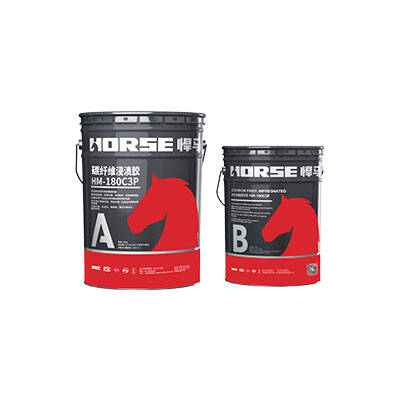
Carbon fiber is versatile enough for both new construction and structural rehabilitation of parking structures, with targeted applications for every critical structural component. The two primary CFRP forms used are unidirectional carbon fiber laminates (for flat, linear surfaces) and carbon fiber fabric/wraps (for curved, irregular, or confined surfaces), both bonded to concrete with high-strength epoxy resins for permanent adhesion.

1. Slab Reinforcement & Load Capacity Upgrade: The most widespread use is strengthening floor slabs, especially in older garages unable to support heavy EV loads. Carbon fiber laminates are applied to the underside of concrete slabs to boost flexural strength, prevent cracking, and increase load-bearing capacity without adding significant weight or reducing headroom.
2. Beam & Girder Repair & Strengthening: Carbon fiber laminates or fabrics are bonded to damaged or under-strength beams and girders to restore shear and flexural strength, repair stress cracks, and reinforce areas weakened by corrosion or fatigue. This fixes structural weaknesses without modifying the beam size or compromising vertical clearance.
3. Column Confinement & Seismic Retrofit: Carbon fiber wraps are applied around concrete columns (especially in seismic zones) to provide lateral confinement, prevent column bursting under axial load, and enhance earthquake resistance. This upgrades older garages to meet modern seismic codes without full structural demolition.
4. Repair of Spalled & Cracked Concrete: CFRP systems seal and reinforce concrete surfaces damaged by steel corrosion, freeze-thaw cycles, or heavy traffic, stopping further deterioration and extending the structure’s service life. It is ideal for repairing localized damage without full-area reconstruction.
5. Ramp & Edge Protection: Carbon fiber fabrics reinforce sloped ramp surfaces and garage edge beams, which endure extreme shear and impact stress, preventing premature failure and reducing ongoing maintenance.

Additional Key Benefits
Design Flexibility: Carbon fiber fabrics conform to curved, irregular, and hard-to-reach surfaces (columns, beam corners, ramp edges) that steel plates cannot fit, enabling targeted reinforcement for every structural detail.
Low Maintenance Requirements: Once installed, CFRP systems require no ongoing maintenance, inspections, or protective coatings—unlike steel, which needs regular rust treatment and replacement.
Compatibility with Existing Concrete: CFRP bonds permanently to sound concrete surfaces, working seamlessly with existing structural components to restore and enhance performance without altering the garage’s original layout.

Project:
Parking Lot Reinforcement By CFRP In Qatar
Parking structures face an unrelenting barrage of stressors that make traditional steel-reinforced concrete obsolete for long-term performance and cost efficiency. Carbon fiber reinforced polymer solves every core challenge: it resists corrosion, withstands heavy repetitive loads, installs without disruption, and delivers decades of maintenance-free service. Whether for new construction of modern, EV-ready parking garages or rehabilitation of aging, deteriorating facilities, carbon fiber stands as the perfect, future-proof solution. It balances superior structural performance, economic viability, and sustainability, making it the top choice for engineers, contractors, and facility owners looking to maximize safety, lifespan, and value of parking infrastructure.
You can find anything here you are in need of, have a trust trying on these products, you will find the big difference after that.

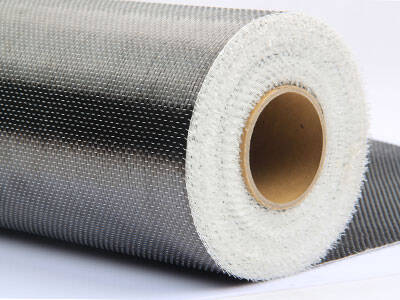
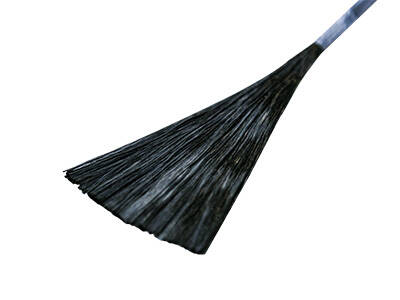
High strength, unidirectional carbon fiber wrap pre-saturated to form a carbon fiber reinforced polymer (CFRP) wrap used to strengthen structural concrete elements.

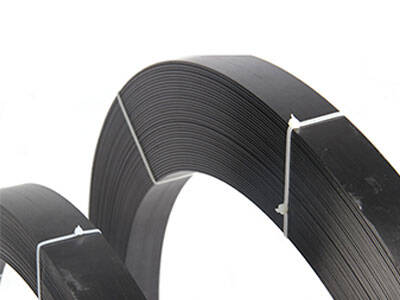
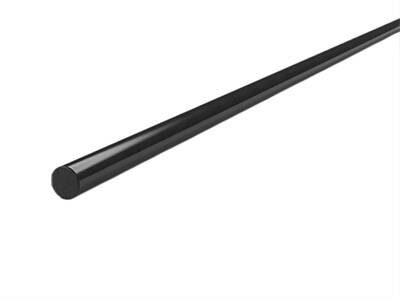
High strength carbon fiber reinforced polymer (CFRP) strip / laminate / plate for structural strengthening and concrete repair

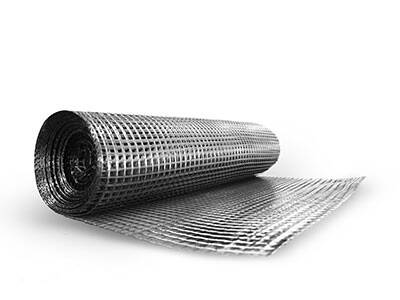
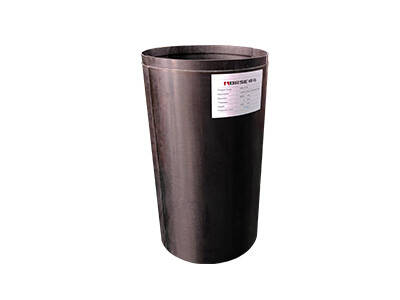
High strength, unidirectional carbon fiber fabric pre-saturated to form a carbon fiber reinforced polymer (CFRP) fabric used to strengthen structural concrete elements.
