


 Language: English














Solutions
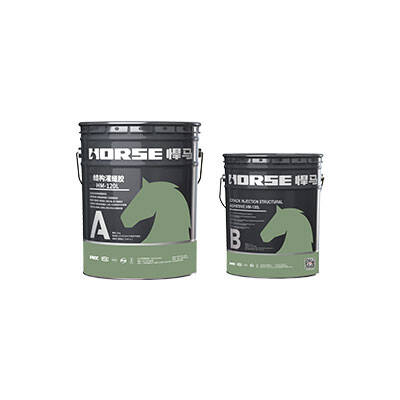
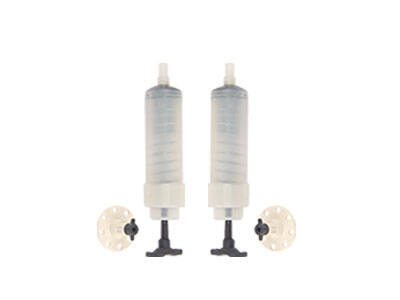
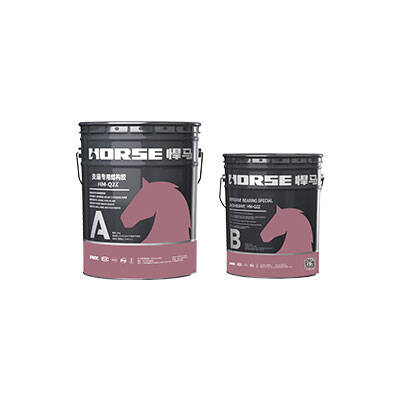
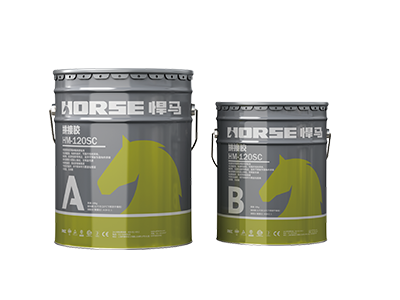
Horse Construction offers full range of structural strengthening materials with technical supports, documentation supports, products supports, project supports.
Carbon Fiber for Load Increase Caused by Building Utilization Changes

Reasons for Changes of Building Utilization
Building utilization changes refer to adjusting a building’s original functions to meet new demands, driven by four core factors:
1)Economic efficiency maximization. Convert low-value idle spaces (old factories, warehouses) into high-value formats (co-working spaces, data centers) to boost rental income; reuse existing buildings to cut costs of demolition and new construction.
2)Policy and urban planning guidance. Respond to urban renewal, industrial upgrading and low-carbon development policies, optimizing urban functional layout by transforming outdated industrial zones or old residential areas.
3)Adaptation to social demand shifts. Cater to lifestyle upgrades (e.g., flexible offices, experience-based malls) and fill public service gaps (converting idle buildings into community clinics or elderly care centers); also meet emergency needs like temporary quarantine sites.
4)Enterprise development needs. Adjust spaces to support business expansion (e.g., workshops to exhibition halls), industrial transformation (manufacturing to R&D centers) and compliance with new safety/environmental standards.
Types of Buildings with Utilization Changes
| Building Category | Common Utilization Changes | Typical Transformation Cases | Core Drivers for Retrofitting |
| Industrial Plants & Workshops | 1. Conversion from general storage to heavy-duty equipment manufacturing workshops 2. Expansion of production lines with high-power machinery 3. Upgrading single-story workshops to multi-layer storage-production integrated facilities | - Textile factories transformed into precision instrument manufacturing plants - Ordinary workshops upgraded to automated component processing centers | Need to bear concentrated loads from heavy equipment and dynamic vibrations during production |
| Commercial & Office Buildings | 1. Conversion of traditional offices to high-density data centers with server cabinets 2. Renovation of shopping malls into large entertainment venues (cinemas, indoor sports centers) 3. Transformation of office spaces into high-load commercial facilities (supermarkets, exhibition halls) | - Old office buildings retrofitted into cloud computing data centers - Shopping mall atriums converted into indoor rock climbing gyms or indoor football fields | Increase in floor live load due to dense personnel, heavy equipment, and special functional facilities |
| Public Buildings | 1. Conversion of school classrooms to heavy-equipment laboratories (physics, chemistry, biological specimen storage) 2. Transformation of community activity centers into public medical service stations with medical imaging equipment 3. Expansion of hospital outpatient buildings to ward buildings with high bed density | School teaching buildings upgraded to scientific research laboratories with precision instruments - Community centers converted into vaccination clinics with CT scanners and X-ray equipment | Need to support heavy medical/experimental equipment and meet public service safety standards |
| Residential Buildings | 1. Conversion of residential units to home studios with large quantities of equipment and materials 2. Renovation of attics/basements into residential or storage areas 3. Transformation of living rooms into home theaters or fitness rooms with heavy facilities | - High-rise apartments converted into live broadcast studios with multiple sets of audio-visual equipment - Basements renovated into private gyms with weightlifting equipment | Local load increase caused by equipment placement and space function expansion |
| Logistics & Storage Buildings | 1. Upgrade from manual stacking warehouses to automated three-dimensional warehouses with heavy-duty shelves 2. Conversion from general cargo warehouses to special goods warehouses (mechanical parts, building materials with high unit weight) | - Ordinary warehouses retrofitted into intelligent three-dimensional storage centers with multi-layer heavy shelves - Warehouses converted into special storage facilities for construction steel and mechanical components | Significant increase in floor static load due to higher stacking height and heavier unit weight of goods |
Causes of Load Increase Due to Utilization Changes
The adjustment of building functions directly leads to the increase of structural load, which is mainly divided into the following categories:
Static load increase. Addition of permanent facilities: Installation of heavy-duty floors, fixed equipment foundations, multi-layer heavy shelves, and permanent partition walls.Increase of material storage density: For warehouses and workshops, the stacking height and unit weight of goods are increased, leading to a significant rise in floor static load.
Live load increase. Increase of personnel density: Transformation of office spaces into large-scale conference halls or exhibition halls, resulting in a sharp increase in the number of people in a single area.. Dynamic load of equipment: Operation of high-power machinery and equipment (such as stamping machines, forging equipment) generates dynamic loads; vibration of server groups in data centers also increases the dynamic load on the structure. Vehicle access: For some ground-floor workshops or transformed commercial buildings, the need for forklifts, cargo trucks to enter the interior leads to the increase of floor live load.
Unconventional load increase. Addition of external attachments: Installation of external advertising billboards, solar panels on the roof of the building, which increases the wind load and dead load of the roof structure. Change of load distribution: The original uniform load is transformed into concentrated load due to the placement of large equipment, which brings greater pressure to local structural components (such as beams and columns).
Aiming at the load increase caused by the above utilization changes, carbon fiber materials can be targeted to reinforce key structural components of the building, specifically including:

Structural Components Reinforced by Carbon Fiber Materials
1) Floor slabs
Reinforcement purpose: Improve the bending capacity, shear capacity and crack resistance of the floor, so as to bear the increased static and dynamic loads.
Reinforcement scheme: Paste carbon fiber fabrics on the bottom surface of the floor for bending reinforcement; paste carbon fiber U-shaped hoops on the side of the floor slab for shear reinforcement; for large-span floors, use carbon fiber plates to enhance the overall bearing capacity.

2) Beams (main beams, secondary beams)
Reinforcement purpose: Enhance the bending, shear and anti-fatigue performance of the beams, to resist the concentrated load from the floor and equipment.
Reinforcement scheme: Paste carbon fiber plates on the tensile zone of the beam bottom for bending reinforcement; paste carbon fiber fabrics in the shear zone of the beam to form closed hoops for shear reinforcement; for beam-column joints, use carbon fiber fabrics to wrap the joint area to improve the seismic performance and load-bearing capacity of the joint.
3) Columns
Reinforcement purpose: Improve the axial compression capacity, bending capacity and ductility of the columns, to bear the vertical load transmitted by the beams and floors.
Reinforcement scheme: Use carbon fiber fabrics to wrap the column in a circular or square shape for confining reinforcement, which can effectively improve the axial compression capacity of the column; paste carbon fiber plates on the weak axis of the column for bending reinforcement.
4) Walls (bearing walls, shear walls)
Reinforcement purpose: Enhance the shear capacity and seismic performance of the walls, to resist the horizontal and vertical loads caused by the change of building utilization.
Reinforcement scheme: Paste carbon fiber fabrics on the surface of the shear wall to form a grid structure, which improves the overall shear capacity of the wall; for the wall corners and edge components, use carbon fiber plates to reinforce to prevent local damage.
5) Roof structures
Reinforcement purpose: Bear the additional load brought by roof attachments (solar panels, advertising billboards) and resist wind and snow loads.
Reinforcement scheme: Paste carbon fiber plates on the roof beams for bending reinforcement; use carbon fiber fabrics to reinforce the roof slabs to improve their crack resistance and bearing capacity.

Typical cases: A century-old factory building has been largely renovated and transformed into a space for creative leisure and innovation.
https://www.horseen.com/index/customer_case/content/id/628


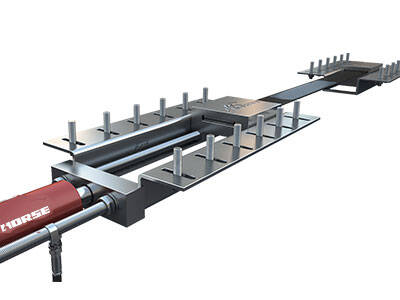
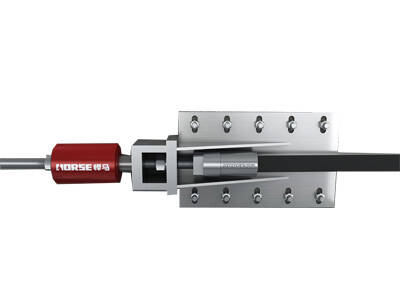
You can find anything here you are in need of, have a trust trying on these products, you will find the big difference after that.

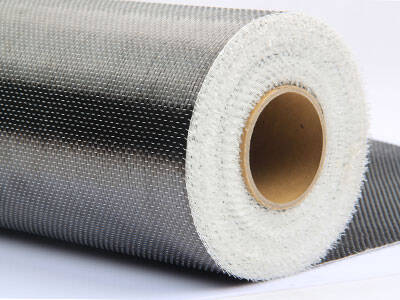
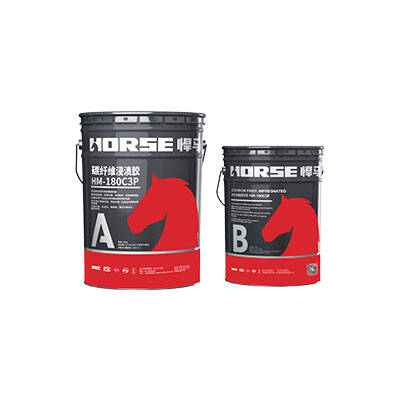
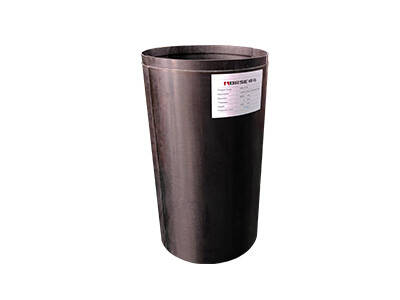
High strength, unidirectional carbon fiber wrap pre-saturated to form a carbon fiber reinforced polymer (CFRP) wrap used to strengthen structural concrete elements.

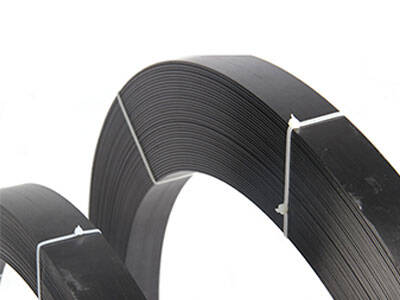
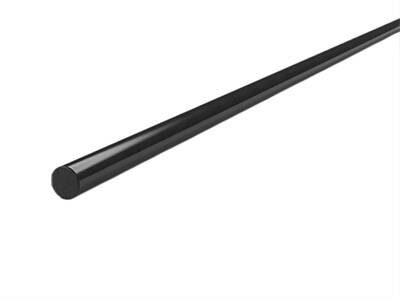
High strength carbon fiber reinforced polymer (CFRP) strip / laminate / plate for structural strengthening and concrete repair

Unidirectional carbon fiber plate/strip/laminate for concrete repair and structural strengthening
