


 Language: English











Solutions
Horse Construction offers full range of structural strengthening materials with technical supports, documentation supports, products supports, project supports.
Carbon Fiber: A Sustainable Product for Bridges with Increasing Traffic

Bridges, as indispensable nodes of transportation networks, are facing unprecedented pressure from surging traffic volumes driven by urbanization, economic growth, and the expansion of freight logistics. As vehicle loads, traffic frequency, and heavy-duty truck usage exceed original design standards, bridges suffer from accelerated structural degradation, fatigue damage, and safety margin reduction.
Carbon fiber reinforced polymer (CFRP, referred to as carbon fiber below) has emerged as a game-changing technical solution, offering lightweight, high-strength, and durable reinforcement capabilities to address the challenges posed by increasing traffic loads. This article explores the necessity of carbon fiber in bridge reinforcement, its working mechanisms, application scenarios, and practical advantages, providing a comprehensive overview of how carbon fiber safeguards bridges in high-traffic environments. Traditional reinforcement methods such as steel plate bonding and concrete enlargement have obvious limitations: steel plate reinforcement increases the bridge’s self-weight, exacerbating additional stress on the structure; concrete enlargement requires large-scale construction, which is time-consuming and disrupts traffic. In contrast, carbon fiber, as a new type of high-performance composite material, perfectly addresses the shortcomings of traditional methods, making it the optimal choice for bridge reinforcement under increasing traffic volumes.

Advantages of Carbon Fiber in Bridge Reinforcement
The superior performance of carbon fiber stems from its material characteristics and reinforcement mechanism, which can effectively improve the structural performance of bridges under high traffic loads:
High strength and high modulus: Carbon fiber has a tensile strength of 3000–5000 MPa (5–10 times that of steel) and an elastic modulus of 200–400 GPa, endowing it with excellent load-bearing capacity. When pasted on bridge structures, it can share the tensile stress generated by traffic loads, significantly improving the bridge’s flexural capacity, stiffness, and deformation resistance.
Lightweight and non-corrosive: The density of carbon fiber is only 1/4 of steel, so pasting it does not increase the bridge’s self-weight significantly, avoiding additional load pressure on the original structure. Additionally, carbon fiber is resistant to acid, alkali, and salt corrosion, making it ideal for bridges in coastal, industrial, or humid environments, effectively solving the problem of reinforcement corrosion caused by traffic-induced structural damage.
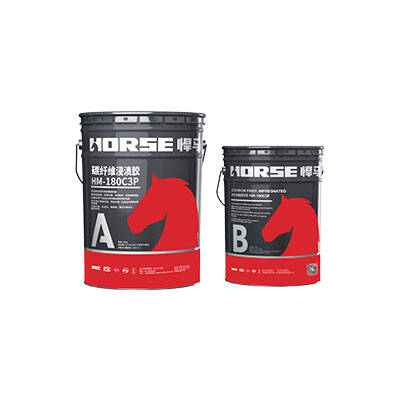
Excellent compatibility and bonding performance: Combined with structural epoxy adhesive, carbon fiber can form a tight integration with the bridge’s steel or concrete surface, achieving effective stress transfer. It can adapt to the deformation of the original structure without causing secondary damage, ensuring the collaborative work of the reinforcement layer and the base structure.
Typical Application Scenarios of Carbon Fiber in Bridges Under High Traffic Volumes
Reinforcement of concrete bridges (box-girder, T-beam, and slab bridges)
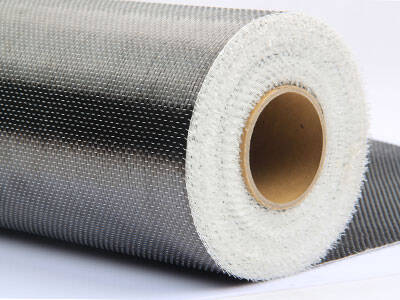
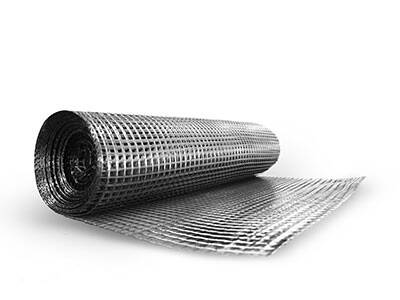
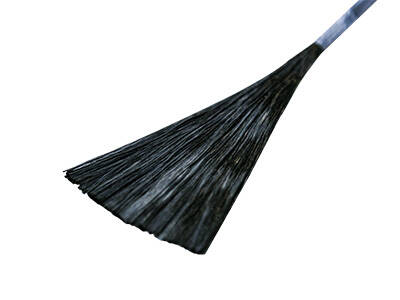
For concrete bridges with deck cracking, reinforcement corrosion, and insufficient bearing capacity caused by overloaded traffic, carbon fiber cloth is pasted on the bottom of main girders (flexural reinforcement) and carbon fiber mesh is used for surface cracking repair. The ring pasting of carbon fiber can also enhance the lateral stiffness of concrete bridges, controlling crack width within safety limits. In addition, carbon fiber can be used to reinforce bridge piers, improving their seismic performance and load-bearing capacity under heavy traffic loads.

Advantages of Carbon Fiber Compared to Traditional Reinforcement Methods
| Indicator | Carbon Fiber Reinforcement | Traditional Steel Plate Bonding | Concrete Enlargement |
|---|---|---|---|
| Weight Impact | Minimal (1/4 of steel’s density) | Significant (increases self-weight) | Large (adds 2–3 times the original weight) |
| Strength Improvement | 20%–70% (stiffness/capacity) | 10%–30% | 15%–40% |
| Construction Efficiency | Short (days to complete, no large equipment) | Long (weeks, requires welding/hoisting) | Very long (months, involves formwork/curing) |
| Traffic Disruption | Minimal (no closure, operable at height) | Severe (requires lane closure) | Severe (requires partial road closure) |
| Durability | 30–50 years (corrosion-resistant) | 15–20 years (prone to corrosion) | 20–30 years (prone to cracking) |
| Aesthetic Effect | Unobtrusive, maintains bridge appearance | Bulky, affects bridge shape | Alters bridge structure and appearance |
The table clearly shows that carbon fiber reinforcement outperforms traditional methods in multiple dimensions, especially in terms of lightweight, high efficiency, low traffic disruption, and long durability, making it highly suitable for bridge reinforcement under continuous traffic growth.
In the future, with the continuous development of carbon fiber manufacturing technology (such as high-modulus carbon fiber, prestressed carbon fiber plate, etc.) and the popularization of intelligent construction technology, carbon fiber reinforcement will be more widely used in bridge engineering. Combined with smart health monitoring systems, it will achieve real-time tracking of bridge performance under traffic loads, providing a more scientific and sustainable solution for ensuring bridge safety and adapting to the growth of traffic volumes.
You can find anything here you are in need of, have a trust trying on these products, you will find the big difference after that.

High strength, unidirectional carbon fiber wrap pre-saturated to form a carbon fiber reinforced polymer (CFRP) wrap used to strengthen structural concrete elements.

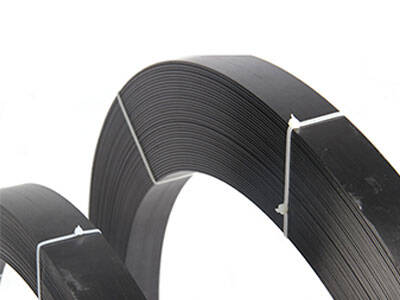
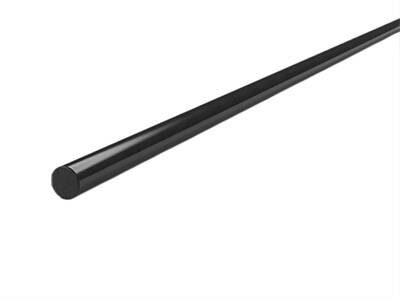
High strength carbon fiber reinforced polymer (CFRP) strip / laminate / plate for structural strengthening and concrete repair

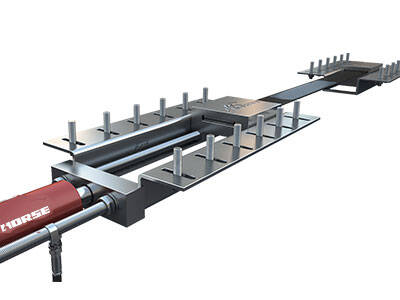
Prestressed carbon fiber reinforced polymer(CFRP) plate for slab, beam strengthening to increase stiffness, reduce distortion and deflection of members, reduce the cracks, avoid and stop cracking.
