Language: English











Improve the Load Capacity of Concrete Slab
FRP Composite Strengthening
The project demonstrated why CFRP has become a preferred strengthening method for healthcare facilities: maximum structural gain with minimum disruption.

Project
The project involved a multi-story hospital building undergoing functional reconfiguration. Several floors were converted to accommodate modern medical services with higher imposed loads, including equipment-intensive zones.
FRP Composite Strengthening
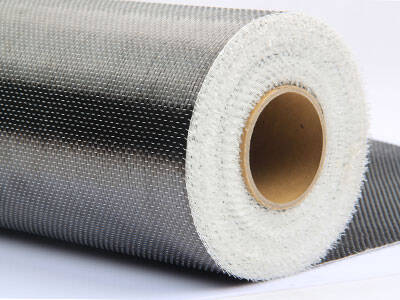
The selected solution was an externally bonded CFRP wet lay-up system
The strengthening mechanism works through strain compatibility with the existing reinforced concrete section. Once cured, the fabric forms a continuous laminate bonded to the slab soffit — the tension zone under positive bending. Under load, the laminate strains together with the concrete substrate and internal steel, acting as additional external tensile reinforcement. Because carbon fiber develops its high tensile strength at very low section depth and contributes negligible self-weight (approximately one fifth the density of steel), the upgrade increases flexural capacity without altering the load path or adding demand to the supporting slabs, beams and columns.

Why the System
Zero impact on clearance and services: the 0.167 mm laminate is installed directly on the soffit, leaving headroom and MEP routes between ribs entirely unaffected.
No added dead load: the system's contribution to structural self-weight is negligible, so strengthening the slabs introduced no additional demand on the existing frame — a decisive factor where reserve capacity was limited.
Occupied-environment compatibility: installation involves hand lay-up only — no demolition, welding or heavy equipment — keeping noise, dust and vibration within the limits required for a hospital remaining in service, and allowing work to be phased into night and weekend windows.
Rapid turnaround per bay: the fast-curing epoxy sequence allowed each completed zone to be handed directly to the ceiling and fit-out trades within the shutdown schedule.
Long-term durability: carbon fiber is immune to corrosion, and the cured epoxy matrix protects the fibers from environmental exposure, eliminating maintenance of the strengthened elements over the design life of the upgrade.

All designated slab bays were strengthened within the renovation schedule, bringing flexural capacity in line with the new medical functional loads. Hospital operations continued without interruption, ceiling installations proceeded without modification, and the project demonstrated why CFRP has become a preferred strengthening method for healthcare facilities: maximum structural gain with minimum disruption.

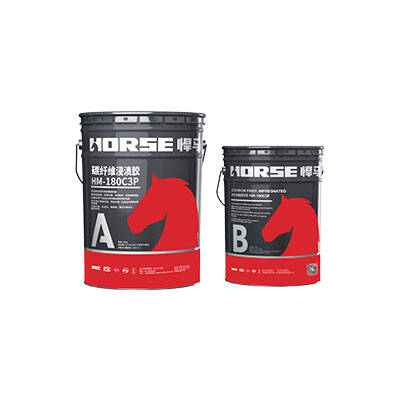
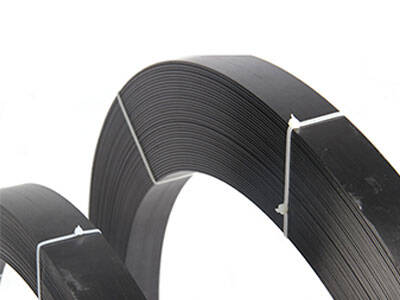
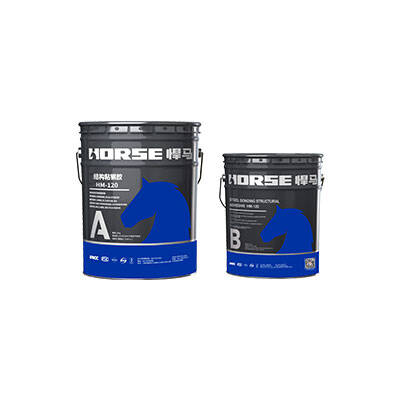
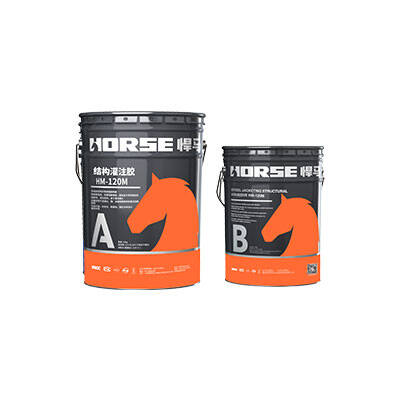
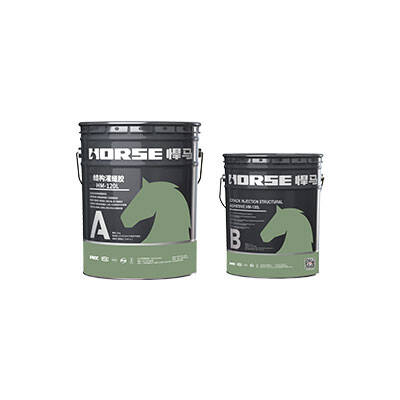
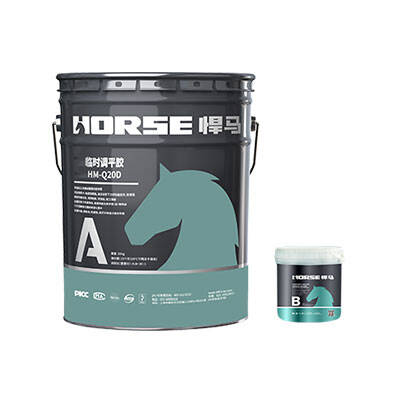
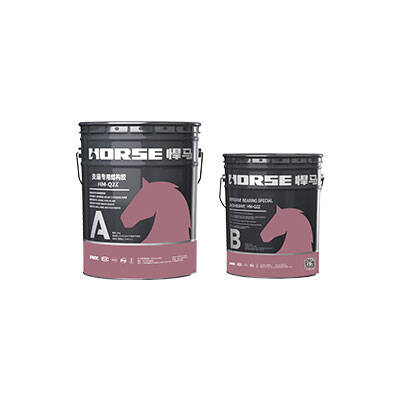
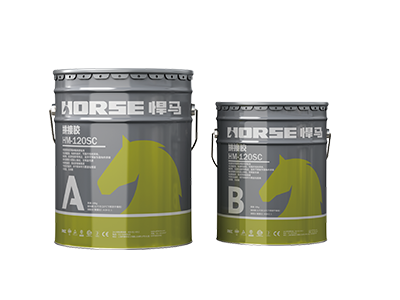
Horse Construction provides complete CFRP strengthening systems — fabric, primer, leveling putty and impregnating resin