Language: English












Strengthening Port Terminal in Indonesia
FRP Composite Strengthening
Following FRP reinforcement, the corrosion issues affecting the steel piles at this port terminal were resolved, and the structural load-bearing capacity was restored to design standards. This intervention extended the service life of the terminal's steel piles, while the entire construction process proceeded without disrupting the terminal's normal berthing operations.

What's the Problem about the Port Terminal?
Severe Corrosive Environment: The splash zone is characterized by alternating wet and dry cycles and abundant oxygen; coupled with the salinity of seawater and the attachment of marine organisms, the corrosion rate of steel piles significantly exceeds that of onshore structures, posing a high risk of localized pitting and perforation. The remaining wall thickness of some steel piles has fallen below the design allowable limit, compromising the structural safety and service life of the platform.
This facility serves as a general cargo terminal; situated atop its platform is an operations booth—a critical structure for vessel berthing and personnel stationing. Consequently, the necessary repairs and structural reinforcement must be executed without interrupting production or disrupting terminal operations.

Limitations of Traditional Repair Methods:
Steel Plate Wrapping: Underwater welding is technically challenging, construction cycles are lengthy, and weld corrosion issues are prone to arise over time.
Steel Pile Replacement: This method entails high costs, necessitates a suspension of operations during construction, and severely disrupts terminal operations.

Reasons for Choosing FRP Reinforcement:
No hot work or welding is required; construction can be performed underwater or within the tidal zone, resulting in minimal disruption to operations.
It exhibits excellent resistance to seawater corrosion, forming a long-term protective barrier.
Lightweight yet high-strength, it simultaneously enhances both the structural load-bearing capacity and the durability of the steel piles.

FRP Reinforcement Construction Process
Preliminary Preparation and Surface Treatment
Erect a temporary scaffold and work platform around the steel pile. Clean the steel pile surface to remove rust, marine biological accretions, and old coatings, then grind the surface until a metallic luster is exposed.
For areas exhibiting localized perforations or severe pitting corrosion, first apply specialized underwater repair materials to level the surface, thereby creating a continuous and smooth substrate.
FRP System Application
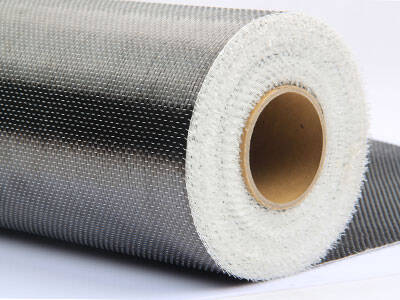
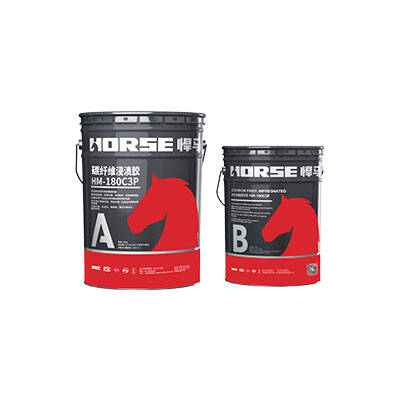
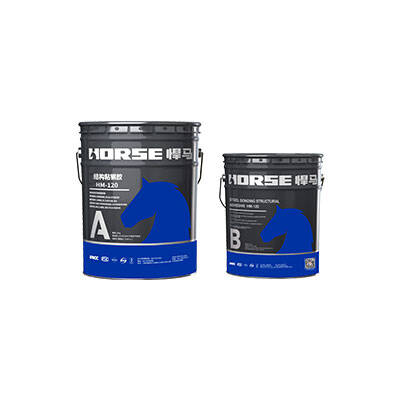
Employ the wet lay-up winding process using Glass Fiber Reinforced Polymer (GFRP). Utilizing an epoxy resin matrix combined with glass fiber fabric, apply multiple layers of winding to encase the surface of the steel pile.
The winding coverage area encompasses the submerged zone, tidal zone, and splash zone of the steel pile, ensuring that all corrosion-sensitive areas are completely encapsulated.
Upon curing, the resin forms a dense, seamless FRP protective layer that isolates the steel pile from contact with seawater and oxygen. Simultaneously, through the mechanical action of the fibers, the system enhances the overall stiffness and buckling resistance of the steel pile.
Post-Application Treatment and Inspection
Grind and finish the surface of the FRP coating, then apply a weather-resistant topcoat to enhance its resistance to ultraviolet (UV) radiation.
Conduct ultrasonic testing and thickness measurements on the reinforced steel pile to verify the quality of the FRP layer application and to assess the remaining load-bearing capacity of the steel pile.

Following FRP reinforcement, the corrosion issues affecting the steel piles at this port terminal were resolved, and the structural load-bearing capacity was restored to design standards. This intervention extended the service life of the terminal's steel piles, while the entire construction process proceeded without disrupting the terminal's normal berthing operations.